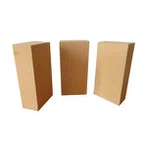
Firebricks: The Ultimate Guide to High-Temperature Refractory Solutions
http://lite-kilnrefractory.com
Introduction: Why Firebricks Matter in Industrial Applications
Firebricks, also known as refractory bricks, are specialized ceramic materials designed to withstand extreme temperatures (up to 1,850°C) and chemical erosion. Used in industries ranging from metallurgy to ceramics, they play a critical role in maintaining the integrity of kilns, furnaces, and reactors. Choosing the right firebrick can reduce maintenance costs by 30% and extend equipment lifespan by 5+ years.

Types of Firebricks: Which One Fits Your Needs?
1. High-Alumina Firebricks
Alumina Content: ≥48% (up to 90% for premium grades)
Key Property: Excellent thermal shock resistance (withstands 10–30 rapid temperature cycles)
Applications: Blast furnaces, steel ladles, and cement kilns
Why Choose: Ideal for acidic environments and high mechanical stress

2. Fire Clay Bricks
Alumina Content: 30–40%
Key Property: Cost-effective with good heat insulation
Applications: Residential fireplaces, small-scale kilns, and boiler linings
Why Choose: Budget-friendly option for low-to-medium temperature use (≤1,580°C)

3. Silica Bricks
Silica Content: ≥93%
Key Property: High load-bearing capacity at 1,600°C+
Applications: Glass melting furnaces and coke ovens
Why Choose: Resists slag penetration in alkaline environments

Critical Factors to Consider When Selecting Firebricks
Temperature Range: Match the brick's refractory index to your equipment's max operating temp (e.g., 1,770°C for steel furnaces).
Chemical Compatibility: Avoid using acidic bricks in alkaline environments (e.g., lime kilns require basic refractories).
Installation Design: Use tongue-and-groove joints for gas-tight seals (reduces heat loss by 15%).
Maintenance Tips to Prolong Firebrick Lifespan
Regular Inspection: Check for cracks monthly-small gaps can expand under thermal stress.
Proper Heating/Cooling: Avoid rapid temperature changes (rate ≤50°C/hour for high-alumina bricks).
Repair vs. Replace: Patch minor damage with refractory mortar; replace bricks if erosion exceeds 20% of thickness.
Conclusion: Invest in Quality Firebricks for Long-Term Efficiency
Whether you're operating a steel mill or a ceramic studio, selecting the right firebrick is non-negotiable. Prioritize high-alumina grades for extreme conditions and partner with suppliers offering technical support. For custom solutions or bulk orders, contact our team for a free material analysis.