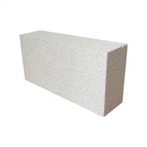
High Alumina Bricks: Properties, Classification and Industrial Applications
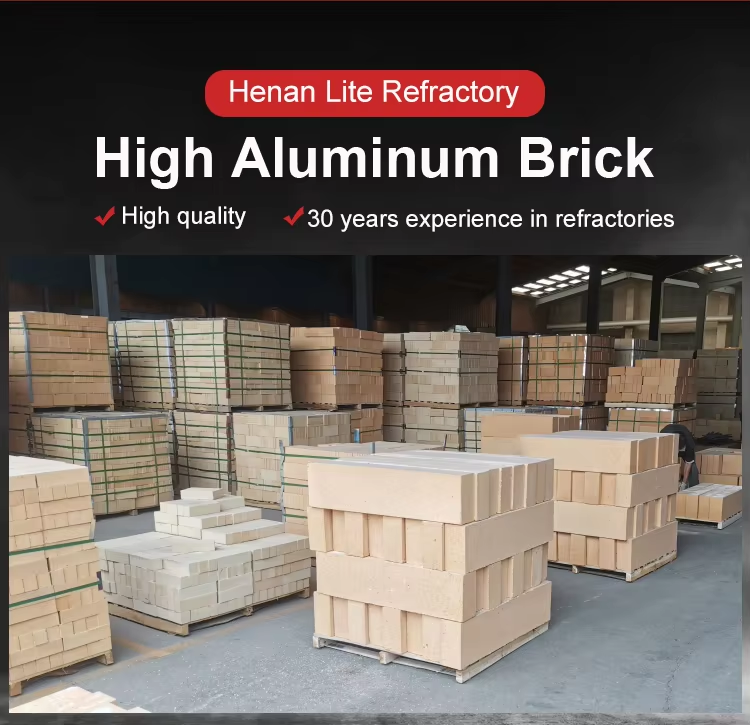
High alumina bricks are a category of advanced refractory materials characterized by their high Al₂O₃ content (typically >48%), exceptional thermal stability, and resistance to chemical corrosion. Widely used in high-temperature industrial processes, these bricks bridge the performance gap between traditional fireclay bricks and specialized oxide refractories like corundum.
⚙️ Key Technical Properties
| Property | Typical Value | Industrial Significance |
|---|---|---|
| Al₂O₃ Content | 48-90% | Determines refractoriness and chemical resistance |
| Bulk Density | 2.3-3.0 g/cm³ | Higher density indicates better mechanical strength |
| Apparent Porosity | 18-28% | Balances thermal insulation and corrosion resistance |
| Cold Crushing Strength | 50-150 MPa | Critical for load-bearing applications in kilns |
| Refractoriness (SK Number) | SK 32-38 (1770-1850°C) | Enables use in ultra-high temperature environments |
| Thermal Conductivity | 1.5-3.0 W/(m·K) @ 1000°C | Controls heat transfer efficiency in industrial furnaces |
📊 Classification by Alumina Content
High alumina bricks are classified into four main grades based on their Al₂O₃ percentage, each tailored to specific industrial requirements:
First Grade (>75% Al₂O₃)
Primary Applications: Steel ladles, blast furnace hearths, glass furnace regenerators
Key Feature: Excellent resistance to molten slag and metal erosion
Second Grade (60-75% Al₂O₃)
Primary Applications: Cement rotary kilns, ceramic kiln linings, chemical reactor liners
Key Feature: Optimal balance between cost and performance
Third Grade (48-60% Al₂O₃)
Primary Applications: Boiler furnaces, lime kilns, non-ferrous metal smelting
Key Feature: Cost-effective solution for moderate-temperature (1400-1600°C) operations

Specialized Variants
Zirconia-Added High Alumina Bricks: Enhanced thermal shock resistance for glass industry
Silicon Carbide Reinforced Grade: Improved abrasion resistance for ore processing equipment
🏭 Major Industrial Applications
🔥 Iron & Steel Industry
Blast Furnaces: Hearth and bosh linings withstand temperatures up to 1600°C and iron ore slag corrosion
Converter Linings: Resist high-velocity molten steel impact and oxidative environments
Continuous Casting Tundishes: Maintain stable temperature gradients during steel solidification
🏗️ Building Materials Production
Cement Kilns: Coating the transition zone (1450-1550°C) where clinker formation occurs
Lime Calcination Furnaces: Withstand cyclic temperature fluctuations and calcium oxide attack
🚜 Non-Ferrous Metallurgy
Aluminum Reduction Cells: Resist cryolite electrolyte corrosion at 950°C
Copper Smelting Furnaces: Handle sulfur-containing slags and high thermal loads
🔬 Chemical & Petrochemical Sector
Acid Regeneration Furnaces: Resist hydrochloric acid vapor corrosion
Catalyst Production Kilns: Maintain purity in high-temperature calcination processes

🔄 Manufacturing Process
The production of high alumina bricks involves precise control over raw materials and firing parameters:
Raw Material Preparation
Bauxite (main source of Al₂O₃) is calcined at 1500-1600°C to form corundum-mullite crystals
Additives: Silica flour (adjusts mullite formation), chromite (improves slag resistance)
Forming & Firing
Dry pressing at 50-100 MPa to achieve desired density
Sintering in tunnel kilns at 1600-1700°C for 24-36 hours to promote mullite (3Al₂O₃·2SiO₂) formation
Quality Control
XRF analysis for Al₂O₃/SiO₂ ratio verification
Ultrasonic testing to detect internal cracks
💡 Selection Considerations
When specifying high alumina bricks, industrial operators must evaluate:
Operating temperature range and thermal cycling frequency
Chemical nature of process media (acidic/alkaline slag, molten metals)
Mechanical loads and abrasion conditions
Cost-performance balance across brick grades
Technical Note: For applications involving severe thermal shock (e.g., glass furnace regenerators), select bricks with controlled porosity (22-25%) and low thermal expansion coefficient (3.5-4.5×10⁻⁶/°C).
High alumina bricks continue to evolve through nanotechnology advancements, with recent developments in nano-mullite reinforced grades showing 30% improvement in thermal shock resistance. Their versatility makes them indispensable in the transition toward high-efficiency, low-emission industrial processes.