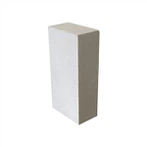
Investing in silicon carbide (SiC) bricks offers numerous advantages for industrial applications due to their unique and superior properties. These bricks are composed of silicon carbide, a compound known for its exceptional hardness, thermal conductivity, and resistance to thermal shock, chemical attack, and wear. Here's why silicon carbide bricks are worth investing in:
1. High Thermal Conductivity
Silicon carbide bricks exhibit high thermal conductivity, which makes them highly efficient in heat transfer applications. This property is particularly beneficial in industries that operate high-temperature furnaces, kilns, and reactors. The efficient heat transfer provided by Silicon carbide bricks helps in:
Energy Savings: Faster heating and cooling cycles reduce energy consumption, leading to significant cost savings over time.
Improved Process Efficiency: Enhanced thermal management contributes to more uniform heating, which is critical for processes like metal melting, ceramic sintering, and glass production.
2. Exceptional Thermal Shock Resistance
One of the standout properties of silicon carbide is its ability to withstand rapid temperature changes without cracking or degrading. This thermal shock resistance is crucial for:
Durability in Harsh Conditions: Silicon carbide bricks maintain structural integrity in environments where temperatures fluctuate frequently, such as in ladles and transfer vessels in the steel industry.
Reduced Maintenance Costs: The resilience to thermal shock minimizes the frequency of repairs and replacements, leading to lower maintenance costs and reduced downtime.
3. High Hardness and Wear Resistance
Silicon carbide is one of the hardest materials available, providing excellent wear resistance. This makes Silicon carbide bricks ideal for:
High-Wear Environments: In industries such as mining and metallurgy, where abrasive materials are handled, They can withstand mechanical wear and prolong the lifespan of the equipment.
Long-Term Performance: The high hardness of silicon carbide bricks ensures they can endure harsh operational conditions without significant wear, maintaining their performance over extended periods.

4. Chemical Resistance
Silicon carbide bricks are highly resistant to chemical attack, including acidic and basic environments. This property is essential in industries such as:
Chemical Processing: They can withstand aggressive chemicals used in processing plants, reducing the risk of corrosion and contamination.
Non-Ferrous Metal Smelting: In aluminum and copper smelting, Silicon carbide bricks resist fluoride and other corrosive substances, ensuring the longevity of the furnace lining.
5. Energy Efficiency
The high thermal conductivity and heat retention properties of Silicon carbide bricks contribute to energy efficiency in industrial processes. This leads to:
Lower Operating Costs: Efficient heat management reduces the energy required to maintain desired temperatures, lowering operational expenses.
Sustainable Operations: Improved energy efficiency aligns with sustainability goals by reducing the carbon footprint of industrial processes.
6. Versatility and Wide Range of Applications
They are versatile and can be used in various industries, including metallurgy, ceramics, glass, petrochemicals, power generation, and environmental protection. Their adaptability to different environments and processes makes them a valuable investment for:
Diverse Industrial Needs: Whether for high-temperature furnaces, incinerators, or reactors, SiC bricks provide reliable performance across multiple applications.
Future-Proofing: As industries evolve and new technologies emerge, the robust properties of Silicon carbide bricks ensure they remain relevant and useful for future applications.
7. Enhanced Product Quality
The use of SiC bricks can significantly improve the quality of products in industries like ceramics and glass. Their ability to maintain stable and uniform temperatures ensures consistent processing conditions, leading to:
High-Quality Outputs: Improved control over temperature and chemical reactions results in better product quality, with fewer defects and higher yields.
Competitive Advantage: Superior product quality can enhance a company's market position and customer satisfaction.