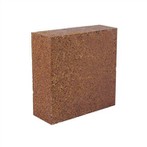
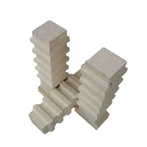
Silicon carbide bricks are widely used in high-temperature applications, particularly in industries like steelmaking, ceramics, and glass manufacturing. These bricks are renowned for their excellent thermal conductivity, high resistance to thermal shock, and remarkable durability. However, to ensure optimal performance and longevity of silicon carbide bricks, it is essential to follow certain precautions during their usage. Here are key considerations to keep in mind:
1. Proper Handling and Storage
a. Careful Transport
When transporting silicon carbide bricks, handle them with care to prevent chipping or cracking. Use appropriate lifting equipment and avoid dropping or dragging the bricks, which could damage their structure.
b. Correct Storage Conditions
Store silicon carbide bricks in a dry and stable environment. Avoid exposure to extreme temperatures and humidity levels, as these conditions can compromise the integrity of the bricks. Ideally, they should be placed on a flat surface and supported adequately to prevent bending or warping.
2. Installation Precautions
a. Surface Preparation
Before installing silicon carbide bricks, ensure that the surface is clean, dry, and free from debris. A well-prepared substrate will enhance adhesion and ensure the bricks remain stable during use.
b. Use of Appropriate Mortar
When laying silicon carbide bricks, use a mortar specifically designed for high-temperature applications. The mortar should be compatible with the thermal expansion properties of silicon carbide to prevent cracking and delamination over time.
c. Follow Installation Guidelines
Adhere to manufacturer guidelines for installation techniques and patterns. Proper installation is critical to the structural integrity and performance of the brickwork.
3. Thermal Management
a. Gradual Heating and Cooling
Silicon carbide bricks are known for their thermal shock resistance, but it's still essential to avoid rapid temperature changes. Gradually increase and decrease the temperature during heating and cooling cycles to minimize the risk of thermal stress that could lead to cracking.
b. Monitor Temperature Levels
Regularly monitor the temperature within the kiln or furnace where silicon carbide bricks are installed. Ensure that the operational temperatures remain within the recommended limits to maintain the integrity of the bricks.

4. Chemical Compatibility
a. Avoid Harmful Chemicals
Silicon carbide bricks can be affected by various chemicals, including acids and alkalis. Before using any chemical agents in processes involving the bricks, conduct compatibility tests to avoid damage.
b. Protective Coatings
Consider applying protective coatings to the surface of silicon carbide bricks when they are exposed to potentially harmful environments. These coatings can help shield the bricks from corrosive substances and extend their lifespan.
5. Regular Inspection and Maintenance
a. Routine Inspections
Conduct regular inspections of the brickwork to identify any signs of wear, cracking, or delamination. Early detection of issues can prevent more significant problems and ensure continued performance.
b. Immediate Repairs
Address any damage or degradation immediately to prevent further deterioration. Replace any compromised bricks to maintain structural integrity and efficiency.
6. Safety Precautions for Workers
a. Personal Protective Equipment (PPE)
When handling or working with silicon carbide bricks, ensure that all workers wear appropriate personal protective equipment. This may include gloves, safety goggles, and dust masks to protect against respiratory hazards from dust.
b. Training and Awareness
Provide training for workers on the proper handling, installation, and maintenance of silicon carbide bricks. Educating staff about potential hazards and safe practices is crucial for ensuring a safe working environment.
Silicon carbide bricks are invaluable in high-temperature applications due to their exceptional properties. However, to fully leverage their benefits, it's vital to observe the necessary precautions during handling, installation, and operation.