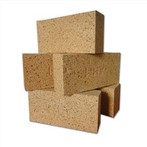
Silicon carbide (SiC) bricks are specialized refractory materials known for their exceptional hardness, thermal conductivity, and resistance to thermal shock, chemical attack, and wear. These properties make SiC bricks suitable for a wide range of industrial applications. Below are some of the primary applications of silicon carbide bricks:
1. High-temperature furnaces and Kilns
Silicon carbide bricks are commonly used in the construction of high-temperature furnaces and kilns. Their high thermal conductivity and ability to withstand temperatures up to 1600°C (2912°F) make them ideal for lining:
Metallurgical Furnaces: They are used in blast furnaces, electric arc furnaces, and cupola furnaces. They protect the furnace lining from extreme temperatures and chemical erosion from molten metals and slags.
Ceramic Kilns: The bricks are used in the firing zones of ceramic kilns where high temperatures are essential for the sintering and vitrification of ceramic products.
Glass Melting Furnaces: Silicon carbide bricks are employed in the regenerator chambers and melters of glass furnaces due to their ability to resist alkali attacks from glass melts.
2. Non-Ferrous Metal Processing
The non-ferrous metal industry extensively uses SiC bricks for their superior thermal properties and chemical resistance. Applications include:
Aluminum Industry: Silicon carbide bricks line the anode baking furnaces and electrolytic cells in aluminum smelting plants. They resist fluoride corrosion and maintain structural integrity under high thermal loads.
Copper and Zinc Smelting: The bricks are used in reverberatory and rotary kilns for their resistance to acidic slags and their ability to endure rapid temperature changes.
3. Petrochemical Industry
In the petrochemical industry, silicon carbide bricks are used in:
Reforming and Cracking Units: They line the reactors and reformers where hydrocarbons are subjected to high temperatures and catalytic reactions. SiC bricks ensure stability and longevity in these harsh environments.
Incinerators: The bricks are used in the construction of incinerators for hazardous waste, providing resistance to thermal shock and chemical corrosion.

4. Power Generation
Silicon carbide bricks find applications in power generation plants, particularly in:
Coal Gasification Plants: These are used to line gasifiers that convert coal into synthetic gas. They withstand the erosive and corrosive conditions inside the gasifiers.
Thermal Power Plants: They are used in boilers and other high-temperature zones to enhance efficiency and durability.
5. Chemical and Fertilizer Industries
In chemical processing and fertilizer production, They are used due to their chemical inertness and thermal stability:
Sulfuric Acid Plants: The bricks line furnaces and reactors where sulfuric acid is produced, providing resistance to acidic environments.
Phosphate Fertilizer Plants: They are used in kilns and reactors where phosphate rock is processed, protecting the structures from chemical attack and high temperatures.
6. Steel Industry
The steel industry benefits from the use of silicon carbide bricks in several ways:
Ladle Lining: SiC brick line ladles are used for transporting molten steel, providing resistance to thermal shock and abrasion.
Torpedo Car Linings: They are used in torpedo cars that carry molten iron from the blast furnace to the steelmaking shop, ensuring the integrity of the transport vessel under extreme conditions.
7. Environmental Applications
Silicon carbide bricks are also used in environmental applications such as:
Waste-to-Energy Plants: SiC bricks line incinerators in waste-to-energy plants, providing resistance to the aggressive conditions created by burning waste materials.
Flue Gas Desulfurization Units: The bricks are used in scrubbers that remove sulfur compounds from flue gases, withstanding the acidic conditions generated during the process.
Silicon carbide bricks are indispensable in numerous industrial applications due to their exceptional thermal and mechanical properties. Their ability to withstand high temperatures, resist chemical attacks, and endure thermal shock makes them ideal for use in high-temperature furnaces, metallurgical processes, petrochemical and chemical industries, power generation, and environmental applications.