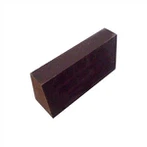
The characteristics of lightweight refractories are: low density, thermal insulation performance, good thermal stability, the ratio of lightweight refractories to heavy refractory materials: light weight, low thermal conductivity, and the weight can not get one-third of heavy refractory materials one.
The use of lightweight refractory materials in the kiln body greatly reduces the weight of the kiln. The weight reduction can also reduce the requirements for the steel structure and foundation of the kiln. In addition, the heat storage performance of the lightweight refractory materials saves various furnace fuels and reduces Cost of production.
The kiln body is lined with light refractory materials. According to the temperature, light refractories with different temperature tolerances are selected. Lightweight clay bricks, light high alumina bricks and calcium silicate are often used in light refractory materials. Plate, ceramic wool, felt, these lightweight refractory materials can reduce the heat dissipation of the kiln body to a low level.
At present, light clay bricks are mostly used. Light clay bricks are widely used in the lining of kilns because of their simple manufacturing process and low price. Lightweight high-alumina bricks, high-alumina poly-light bricks, mullite poly-light bricks, and fiber and fiber bricks are not used very much. The fiber consumption is aluminum silicate fiberboard, fiber felt, cotton roll, loose cotton, etc.
Choosing lightweight clay bricks as paving bricks for various kilns can not only meet the needs of kiln linings, but also reduce costs. The light-weight high-alumina bricks in light-weight refractories have higher refractoriness and softening temperature under load than light-weight clay bricks. The thermal conductivity of lightweight high-alumina bricks is much lower than that of other materials, and the price is not very expensive. It is also widely used in ceramic kiln insulation underwear. The firing zone of many kilns uses a large number of lightweight poly-light ball bricks, which are resistant to high temperatures and at the same time reduce the weight of the kiln body. In addition, alumina hollow ball bricks and mullite poly light bricks can be used directly at the burner nozzle that is in contact with the flame, and the effect is quite good.
For the refractory fiber series, aluminum silicate fiberboard, felt and cotton are most practically used in ceramic kilns. The loose cotton can also be used directly, with good filling performance and low bulk density; fiber bricks are products made of fiberboard.
Lightweight refractory materials are widely used in furnace linings and kiln bodies due to the characteristics of low thermal conductivity and good sound absorption performance, which can greatly improve the thermal efficiency of the kiln.