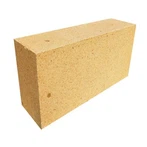
Alumina silicate fire bricks are a type of refractory material renowned for their exceptional heat resistance and durability. These bricks find widespread application in various industries due to their unique properties. Here's a look at some of their key uses:
Metallurgical Industry:
Blast Furnaces: Used extensively in the lining of blast furnaces, where they withstand the extreme temperatures and corrosive conditions encountered during iron production.
Steelmaking Furnaces: Employed in various parts of steelmaking furnaces, including electric arc furnaces, open-hearth furnaces, and ladles.
Foundries: Utilized in foundry applications such as cupolas, ladles, and holding furnaces.
Cement Industry:
Rotary Kilns: A crucial component in the construction of rotary kilns used for cement production. They provide excellent resistance to abrasion, erosion, and the high temperatures encountered within the kiln.
Preheater Towers: Employed in the preheater towers of cement plants to withstand the high temperatures and corrosive environment.

Glass Industry:
Glass Furnaces: Used in the construction of glass furnaces, including regenerators, checkers, and tank blocks.
Glass Melting Tanks: Provide excellent resistance to the corrosive effects of molten glass.
Chemical Industry:
Chemical Reactors: Employed in the lining of chemical reactors that operate at high temperatures, such as those used in the production of petrochemicals, fertilizers, and other chemicals.
Incinerators: Used in the construction of incinerators for waste disposal, where they withstand high temperatures and corrosive environments.
Power Generation:
Boilers: Used in the construction of boilers, particularly in areas exposed to high temperatures and corrosive flue gases.
Waste-to-Energy Plants: Employed in the lining of combustion chambers and other critical components in waste-to-energy plants.
Alumina silicate fire bricks are versatile materials with a wide range of applications across various industries. Their exceptional heat resistance, durability, and resistance to corrosion make them indispensable in high-temperature environments.