In the realm of high-temperature insulation, refractory ceramic fibres (RCFs) have emerged as a game-changer. These lightweight, durable materials are widely used in industries ranging from aerospace to metallurgy. But what exactly are they, and what makes them so special? Let's explore.
What Are Refractory Ceramic Fibres?
Refractory ceramic fibres are synthetic materials made from high-purity alumina-silica blends. They are known for their exceptional thermal stability, low thermal conductivity, and resistance to thermal shock. Among the most advanced types are zirconia aluminosilicate refractory ceramic fibres, which offer even higher temperature resistance and durability.

Key Properties of Refractory Ceramic Fibres
The unique refractory ceramic fibre properties make them indispensable in high-temperature applications. Here are some of their standout characteristics:
High-Temperature Resistance: Can withstand temperatures up to 1600°C (2912°F) or higher, depending on the composition.
Low Thermal Conductivity: Excellent insulation properties, reducing heat loss and improving energy efficiency.
Lightweight: Significantly lighter than traditional refractory bricks, reducing structural load.
Thermal Shock Resistance: Can endure rapid temperature changes without cracking or degrading.
Chemical Stability: Resistant to most chemicals, making them suitable for harsh environments.
Applications of Refractory Ceramic Fibres
Thanks to their unique properties, refractory ceramic fibres are used in a wide range of industries:
Metallurgy: Lining for furnaces, kilns, and ladles.
Aerospace: Thermal protection systems for spacecraft and aircraft.
Power Generation: Insulation for boilers, turbines, and exhaust systems.
Automotive: Heat shields and exhaust insulation.
Chemical Processing: Lining for reactors and pipelines.
Health and Safety Considerations
While refractory ceramic fibres offer numerous benefits, it's important to address potential refractory ceramic fibres health effects. Prolonged exposure to airborne fibres can pose respiratory risks. However, modern manufacturing techniques and safety protocols have significantly reduced these risks. Key safety measures include:
Using protective equipment like masks and gloves.
Ensuring proper ventilation in workspaces.
Following handling guidelines provided by manufacturers.
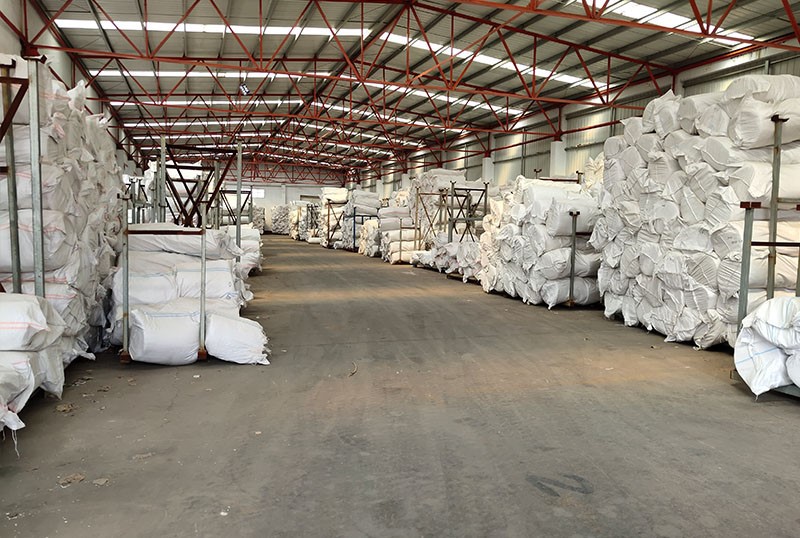
Zirconia Aluminosilicate Refractory Ceramic Fibres
Among the most advanced types of RCFs are zirconia aluminosilicate refractory ceramic fibres. These fibres are engineered to withstand even higher temperatures, making them ideal for extreme environments. Their key advantages include:
Enhanced thermal stability up to 1800°C (3272°F).
Superior resistance to chemical corrosion.
Improved mechanical strength and durability.
Frequently Asked Questions
Q: Are refractory ceramic fibres safe to use?
A: When handled properly and with appropriate safety measures, refractory ceramic fibres are safe. Modern fibres are designed to minimize health risks.
Q: What is the temperature limit for zirconia aluminosilicate refractory ceramic fibres?
A: These advanced fibres can withstand temperatures up to 1800°C (3272°F), making them suitable for the most demanding applications.
Q: How do refractory ceramic fibres compare to traditional insulation materials?
A: RCFs offer superior thermal insulation, lighter weight, and better resistance to thermal shock compared to traditional materials like refractory bricks.
Q: What industries benefit the most from refractory ceramic fibres?
A: Industries such as metallurgy, aerospace, power generation, and automotive rely heavily on the unique properties of refractory ceramic fibres.