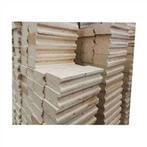
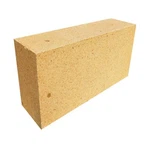
Boiler refractory cement is a specialized material used to line and repair high-temperature industrial boilers. It ensures thermal insulation, resists extreme heat, and protects boiler structures from wear and tear.
What is Boiler Refractory Made Of?
- Alumina (Al₂O₃): Provides high heat resistance (up to 1800°C).
- Silica (SiO₂): Enhances thermal stability.
- Calcium Aluminate: Acts as a binding agent.
- Additives: Such as fire clay or zirconia, to improve strength and durability.
Key Features of Boiler Refractory Cement
- High Temperature Resistance: Withstands extreme heat up to 1800°C.
- Thermal Insulation: Reduces heat loss, improving boiler efficiency.
- Abrasion Resistance: Protects against wear from ash and particles.
- Chemical Stability: Resists corrosion from acidic or alkaline environments.

boiler refractory cement
Boiler Refractory Cement Price
The price of boiler refractory cement varies based on quality and quantity:
Standard Grade: $20–$50 per 50 lb bag.
High-Performance Grade: $50–$100 per 50 lb bag.
Bulk purchases or specialized formulations may cost more.
Boiler Refractory Repair Procedure
1. Inspect the Damage: Identify cracks, erosion, or worn areas.
2. Clean the Surface: Remove debris, ash, and loose material.
3. Mix the Cement: Follow manufacturer instructions for water-to-cement ratio.
4. Apply the Cement: Use a trowel to fill cracks or coat the surface evenly.
5. Cure Properly: Allow 24–48 hours for drying, followed by gradual heating to prevent cracking.
Is Furnace Cement the Same as Refractory Cement?
No. While both are heat-resistant, furnace cement is designed for lower temperatures (up to 1200°C) and smaller-scale applications. Boiler refractory cement is engineered for higher temperatures and industrial use.
Where to Find Boiler Refractory Cement?
Ltd. is a high quality refractory material manufacturer and supplier in China, we have a perfect team, efficient service, and customers from Russia, Uzbekistan and other countries trust us very much!