When it comes to high-temperature applications, choosing the right material is crucial. Two of the most commonly used materials are refractory cement and refractory mortar. While they may seem similar at first glance, they serve different purposes and have distinct properties. In this article, we'll explore the key differences between these two materials, their applications, and how to choose the right one for your project.
What is Refractory Cement?
Refractory cementis a specialized type of cement designed to withstand extremely high temperatures. It is made from a mixture of refractory cement ingredients such as alumina, silica, and other heat-resistant compounds. This cement is typically used in applications where it will be exposed to temperatures exceeding 1,000°C (1,832°F).
One of the primary uses of refractory cement is in the construction of furnaces, kilns, and fireplaces. It is also used to create heat-resistant linings for industrial equipment. The key advantage of refractory cement is its ability to maintain its structural integrity even under extreme heat, making it an essential material in high-temperature environments.
What is Refractory Mortar?
Refractory mortar, on the other hand, is a type of mortar that is specifically designed to bond refractory bricks or other refractory materials together. Like refractory cement, it is made from heat-resistant materials, but it has a different consistency and is used for different purposes.
Refractory mortar is typically used in the construction of fireplaces, chimneys, and other structures that require a strong, heat-resistant bond between bricks or stones. It is often sold in pre-mixed form and comes in various types, depending on the specific application. The refractory mortar packaging usually indicates the maximum temperature it can withstand, making it easier to choose the right product for your needs.
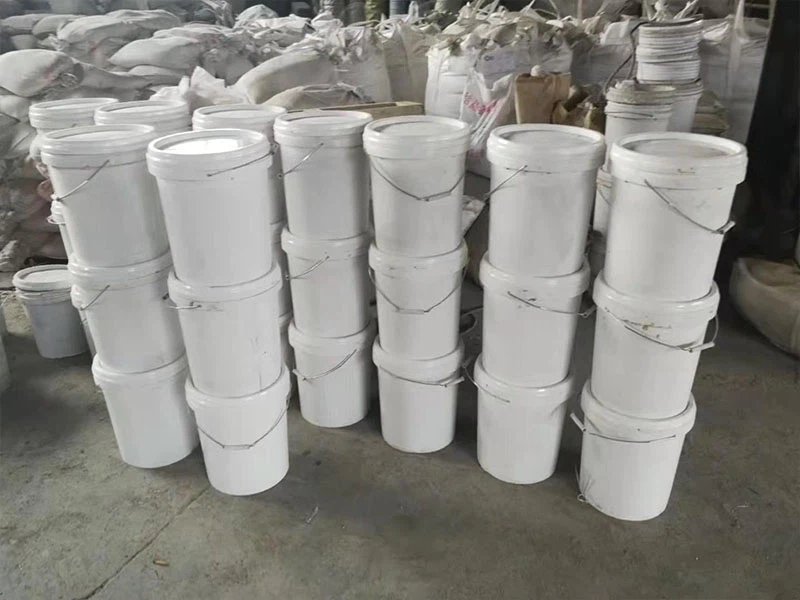
Key Differences Between Refractory Cement and Refractory Mortar
While both refractory cement and refractory mortar are designed to withstand high temperatures, there are several key differences between the two:
- Composition: Refractory cement is made from a mixture of refractory cement ingredients such as alumina and silica, while refractory mortar is typically a pre-mixed product designed for bonding refractory bricks.
- Application: Refractory cement is used for creating heat-resistant structures or linings, while refractory mortar is used for bonding refractory bricks or stones together.
- Consistency: Refractory cement is usually thicker and more paste-like, while refractory mortar has a more fluid consistency, making it easier to apply between bricks.
- Temperature Resistance: Both materials are heat-resistant, but the specific temperature resistance can vary depending on the product. Always check the refractory mortar packaging or the specifications of the refractory cement to ensure it meets your needs.
How to Choose the Right Material for Your Project
Choosing between refractory cement and refractory mortar depends on the specific requirements of your project. Here are some factors to consider:
- Temperature: Determine the maximum temperature the material will be exposed to. Both materials are heat-resistant, but the specific temperature resistance can vary.
- Application: If you need to create a heat-resistant structure or lining, refractory cement is the better choice. If you need to bond refractory bricks or stones, refractory mortar is the way to go.
- Ease of Use: Refractory mortar is often easier to apply, especially for bonding bricks, while refractory cement may require more effort to mix and apply.
- Cost: Consider the cost of the materials, as well as any additional tools or equipment you may need for the application.
Conclusion
Understanding the differences between refractory cement and refractory mortar is essential for choosing the right material for your high-temperature project. Whether you're building a furnace, fireplace, or industrial equipment, selecting the appropriate material will ensure the longevity and performance of your structure. Always check the refractory mortar packaging or the specifications of the refractory cement to ensure it meets your needs.
Frequently Asked Questions
What is the main difference between refractory cement and refractory mortar?
The main difference is their application. Refractory cement is used for creating heat-resistant structures or linings, while refractory mortar is used for bonding refractory bricks or stones together.
Can I use refractory cement instead of refractory mortar?
While both materials are heat-resistant, they serve different purposes. Refractory cement is not ideal for bonding bricks, so it's best to use refractory mortar for that application.
What are the key ingredients in refractory cement?
Refractory cement is made from a mixture of refractory cement ingredients such as alumina, silica, and other heat-resistant compounds.
How do I choose the right refractory mortar?
Check the refractory mortar packaging for information on the maximum temperature it can withstand and ensure it is suitable for your specific application.