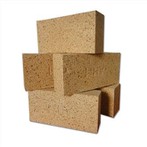
Magnesia iron spinel bricks are a type of high-performance refractory material widely used in industries that require high thermal resistance, chemical stability, and mechanical strength.
These bricks are primarily composed of magnesia (MgO) and iron aluminate spinel (FeAl₂O₄), which provide a unique combination of properties such as excellent corrosion resistance, thermal shock resistance, and structural integrity at high temperatures.
Because of these advantages, magnesia iron spinel bricks are extensively used in harsh industrial environments. Below is a detailed overview of where these bricks are mostly used and why they are ideal for such applications.
1. Cement Rotary Kilns
One of the most prominent applications of magnesia iron spinel bricks is in cement rotary kilns, particularly in the burning zone and transition zones. These areas are subjected to extreme mechanical stress, high temperatures (up to 1450°C), and severe chemical attack from alkalis, sulfur compounds, and clinker dust. Magnesia iron spinel bricks perform exceptionally well in this environment due to their:
Excellent resistance to thermal shock during frequent kiln startups and shutdowns.
Superior resistance to clinker corrosion, especially from alkaline components.
Good flexibility and spalling resistance, which reduces the risk of premature failure.
The iron in the spinel structure enhances the brick's toughness and thermal stability, making them a preferred choice over traditional magnesia-chrome bricks in rotary kilns.
2. Non-Ferrous Metallurgy Furnaces
Magnesia iron spinel bricks are also widely used in non-ferrous metal smelting, such as copper and nickel production. In furnaces like converters, anode furnaces, and holding furnaces, the bricks must withstand high temperatures and corrosive slags containing silica, iron oxides, and other aggressive elements.
The spinel structure helps in resisting slag infiltration.
The magnesia content provides a basic lining material that resists acidic slags.
These bricks also offer good structural stability under load at elevated temperatures.
Their durability under cyclic heating and corrosive conditions makes them highly suitable for lining furnaces in non-ferrous metallurgy.

3. Lime and Dolomite Kilns
In lime and dolomite shaft kilns or rotary kilns, where the raw materials are calcined at high temperatures, magnesia iron spinel bricks are used due to their high refractoriness and resistance to chemical wear. The alkaline nature of magnesia makes these bricks compatible with lime and dolomite processing, minimizing the risk of chemical reactions that could weaken the kiln lining.
4. Steel Industry – Electric Arc Furnaces (EAF)
In the steel industry, especially in electric arc furnaces, the working lining of the furnace bottom and sidewalls must handle extreme temperatures and thermal cycling. While traditional magnesia-carbon bricks are commonly used, magnesia iron spinel bricks are becoming a viable alternative where carbon-free or environmentally friendly options are preferred.
Some steelmakers also use these bricks in ladle linings and refining furnaces where high thermal and mechanical stability are critical.
5. Glass Industry
Although less common than in cement or metallurgical industries, magnesia iron spinel bricks are also used in the glass industry, particularly in regenerators and forehearths, where resistance to high-temperature corrosion and chemical attack is essential. Their ability to withstand alkali vapors and aggressive furnace atmospheres makes them suitable for this sector as well.