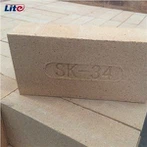
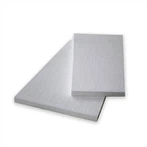
SIC (silicon carbide) ceramic plates have several outstanding features that make them highly suitable for kiln applications. Kilns are high-temperature furnaces used in various industries for processes such as firing ceramics, glass melting, heat treatment, and sintering. The exceptional properties of SIC ceramic plates contribute to their effectiveness and reliability in kiln operations. Let's explore these outstanding features in detail.
1. High-Temperature Resistance:
One of the primary characteristics of SIC ceramic plates is their remarkable resistance to high temperatures. They can withstand extremely high temperatures up to 1650°C (3000°F) without significant structural degradation. This ability to operate at elevated temperatures makes SIC plates ideal for kiln applications where consistent and prolonged exposure to heat is required. They provide excellent thermal stability, ensuring that the kiln can reach and maintain the desired temperature throughout the process.
2. Thermal Shock Resistance:
SIC ceramic plates exhibit exceptional thermal shock resistance, which refers to their ability to withstand rapid temperature changes without cracking or fracturing. Kiln operations often involve rapid heating and cooling cycles, and the ability of SIC plates to handle these thermal shocks is crucial. This feature ensures that the plates can withstand the stress caused by the expansion and contraction of materials during the heating and cooling phases, thereby prolonging their service life.

3. Excellent Heat Transfer:
Efficient heat transfer is essential in kiln applications to achieve uniform temperature distribution and ensure the desired processing results. SIC ceramic plates have excellent thermal conductivity, allowing them to transfer heat rapidly and evenly across their surface. This property helps in maintaining consistent temperatures throughout the kiln, minimizing temperature gradients and ensuring uniform heat distribution. As a result, SIC plates contribute to improved process control and product quality.
4. Chemical Resistance:
Kilns often involve the use of various chemicals, glazes, and fluxes that can be corrosive and reactive. SIC ceramic plates possess excellent chemical resistance, enabling them to withstand the corrosive environment inside the kiln. They are resistant to acids, alkalis, and other chemicals, ensuring that the plates do not degrade or react with the materials being processed. This chemical inertness helps to maintain the integrity and longevity of the SIC plates, even in demanding kiln environments.
5. Mechanical Strength and Durability:
They are known for their exceptional mechanical strength and durability. They have high hardness, making them resistant to wear, abrasion, and impact. This strength allows the plates to withstand the weight of the materials being processed, as well as any mechanical stresses during loading and unloading operations. The robust nature of SIC plates ensures their long service life and minimizes the need for frequent replacements, reducing downtime and maintenance costs.
6. Dimensional Stability:
SIC ceramic plates exhibit excellent dimensional stability, meaning they maintain their shape and dimensions even under prolonged exposure to high temperatures. This property is crucial in kiln applications where precise control of the firing process is essential. The dimensional stability of SIC plates ensures consistent spacing between the plates, facilitating uniform heat distribution and preventing distortion or warping that could affect the quality of the processed materials.
7. Easy Maintenance and Cleaning:
Another advantage of SIC ceramic plates in kiln applications is their ease of maintenance and cleaning. The smooth and non-porous surface of these plates resists the adherence of materials, making them easy to clean and maintain. Any residual materials can be easily removed, preventing contamination and ensuring the plates' continued effectiveness and performance.
SIC ceramic plates possess several outstanding features that make them highly suitable for kiln applications. Their high-temperature resistance, thermal shock resistance, excellent heat transfer properties, chemical resistance, mechanical strength, dimensional stability, and ease of maintenance contribute to efficient and reliable kiln operations. SIC plates help achieve uniform temperature distribution, maintain product quality, and ensure the longevity of the kiln system, making them a preferred choice for various industries relying on kiln processes.