SIC (silicon carbide) ceramic plates are known for their exceptional properties, making them versatile and applicable in various fields. These plates have gained popularity due to their high strength, thermal stability, excellent resistance to wear corrosion, and high temperatures. In this article, we will explore eight applications of SIC ceramic plates across different industries.
1. Aerospace and Defense:
SIC ceramic plates find extensive use in the aerospace and defense sectors. These plates are utilized in manufacturing lightweight armor for military vehicles, aircraft, and helicopters. Due to their superior hardness and resistance to ballistic impact, SIC plates offer enhanced protection against high-velocity projectiles and explosive fragments. Their low density also contributes to fuel efficiency in aerospace applications.
2. Industrial Manufacturing:
In industrial manufacturing processes, SIC ceramic plates are employed for their exceptional thermal stability and resistance to chemical corrosion. They are utilized as lining materials in high-temperature furnaces, kilns, and incinerators. SIC plates can withstand extreme temperatures, making them ideal for applications involving heat treatment, metal casting, and forging. Their resistance to chemical attack allows them to be used in corrosive environments such as chemical processing plants.
3. Electronics and Semiconductors:
SIC ceramic plates have become crucial components in the electronics and semiconductor industries. Their excellent electrical properties, such as high dielectric strength and low electrical conductivity, make them suitable for power electronics, high-voltage devices, and integrated circuit packaging. SIC plates also exhibit low thermal expansion, enabling them to dissipate heat effectively and enhance the reliability and performance of electronic devices.
4. Automotive Industry:
The automotive industry benefits from SIC ceramic plates primarily in the realm of brake systems. They are used in the production of high-performance brake discs due to their outstanding wear resistance and thermal conductivity. These plates can withstand high temperatures generated during braking, ensuring consistent and reliable braking performance even under extreme conditions. Additionally, their lightweight nature reduces the overall weight of the vehicle, contributing to improved fuel efficiency.
5. Energy Generation:
SIC ceramic plates play a significant role in energy generation applications. They are utilized in the manufacturing of heat exchangers, combustion chambers, and gas turbine components. SIC plates can withstand the harsh conditions encountered in power plants, including high temperatures and corrosive gases. Their ability to maintain structural integrity under these conditions improves the efficiency and longevity of energy generation systems.
6. Medical and Biotechnology:
The medical and biotechnology fields also make use of SIC ceramic plates for various applications. These plates are used in orthopedic implants, dental implants, and surgical instruments. SIC's biocompatibility, wear resistance, and low friction properties make it an excellent choice for these medical applications. Additionally, SIC plates are employed in laboratory equipment for their chemical inertness and resistance to harsh cleaning agents.
7. Heat Exchangers:
In thermal management systems, They are utilized in heat exchangers due to their high thermal conductivity and low thermal expansion coefficient. These properties allow for efficient heat transfer and enhanced thermal stability. SIC plates can withstand extreme temperatures and thermal shocks, making them suitable for applications where rapid heating and cooling cycles occur. Heat exchangers utilizing SIC ceramic plates find applications in industries such as power generation, chemical processing, and automotive engineering.
8. Kiln Furniture:
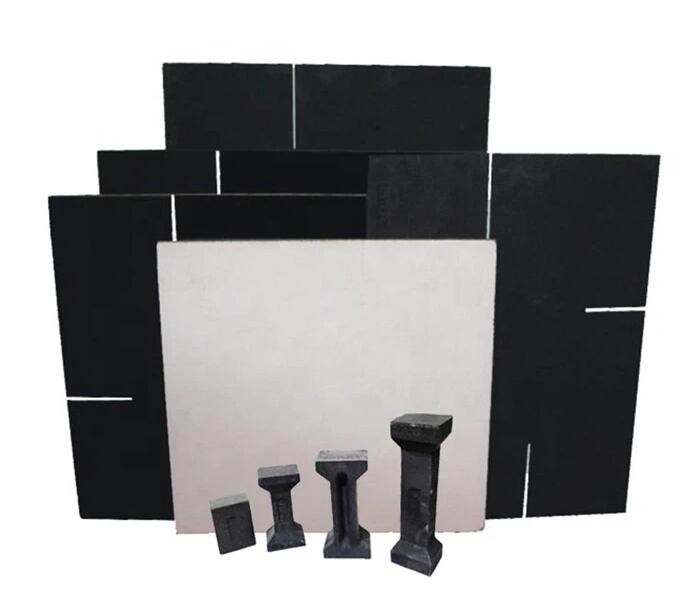
SIC ceramic plates are widely employed as kiln furniture in high-temperature processes such as the firing and sintering of ceramics, glass, and metals. Their ability to withstand extremely high temperatures, even in oxidizing atmospheres, makes them suitable for use in kilns, furnaces, and other thermal processing equipment. SIC plates serve as shelves, setters, and supports for the materials being processed, ensuring dimensional stability, resistance to warping, and resistance to chemical reactions with the processed substances.
SIC ceramic plates have proven their worth across a wide range of industries due to their exceptional properties. From aerospace and defense to automotive, electronics, energy generation, and medical sectors, these plates offer high strength, thermal stability, wear resistance, and corrosion resistance. As technology continues to advance, the demand for SIC ceramic plates is expected to grow, and their applications will likely expand further into new areas.