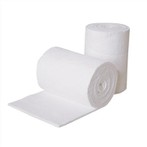
Ceramic fiber insulation cotton, also known as ceramic fiber blanket or ceramic wool, is a lightweight, high-temperature insulation material with a wide range of applications across various industries.
Made from alumina-silica ceramic fibers, ceramic fiber insulation cotton offers excellent thermal stability, low thermal conductivity, and resistance to thermal shock, making it ideal for insulating high-temperature equipment, furnaces, kilns, and industrial processes. we explore the diverse applications of ceramic fiber insulation cotton, highlighting its importance in thermal insulation, fire protection, energy conservation, and process efficiency.
1. Industrial Furnaces and Kilns:
One of the primary applications of ceramic fiber insulation cotton is in industrial furnaces, kilns, and ovens used for high-temperature heating processes such as melting, annealing, forging, and heat treatment. Ceramic fiber blankets are used to line the walls, roofs, and doors of these heating units, providing thermal insulation to reduce heat loss, improve energy efficiency, and maintain uniform temperature profiles inside the furnace chamber.
2. Petrochemical and Refining Industries:
In the petrochemical and refining industries, ceramic fiber insulation cotton is employed to insulate process equipment, reactors, boilers, and piping systems operating at elevated temperatures. It helps minimize heat transfer, prevent heat loss, and protect personnel and equipment from extreme heat exposure, enhancing safety, reliability, and operational efficiency in refining operations and chemical processing plants.
3. Power Generation Facilities:
Ceramic fiber insulation cotton finds applications in power generation facilities, including fossil fuel power plants, nuclear power plants, and renewable energy facilities such as solar thermal plants. It is used to insulate steam turbines, boilers, heat exchangers, and exhaust systems, improving thermal efficiency, reducing energy consumption, and extending equipment lifespan in power generation applications.

4. Metal Processing and Foundries:
In metal processing and foundry operations, ceramic fiber insulation cotton is utilized to insulate induction furnaces, crucibles, ladles, and casting molds used in melting, casting, and shaping metal alloys. It helps maintain high operating temperatures, minimize heat loss, and improve casting quality and yield by providing consistent heat distribution and thermal stability during metal processing operations.
5. Aerospace and Automotive Industries:
Ceramic fiber insulation cotton is used in aerospace and automotive applications to insulate engine components, exhaust systems, and thermal barriers in aircraft engines, automotive engines, and rocket propulsion systems. It helps reduce heat transfer, enhance thermal management, and improve fuel efficiency and performance in aerospace and automotive vehicles operating in high-temperature environments.
6. Building and Construction:
In the building and construction industry, ceramic fiber insulation cotton is employed as thermal insulation in commercial buildings, industrial facilities, and residential homes. It is used to insulate walls, ceilings, floors, and HVAC ductwork, providing energy savings, indoor comfort, and fire protection in buildings while meeting building code requirements for thermal insulation and fire resistance.
7. Glass and Ceramics Manufacturing:
Ceramic fiber insulation cotton is widely used in glass and ceramics manufacturing processes to insulate kilns, furnaces, and annealing ovens used in glass melting, glass forming, and ceramic firing operations. It helps maintain precise temperature control, reduce energy consumption, and enhance product quality and consistency in glass and ceramic production processes.
8. Laboratory and Scientific Applications:
In laboratory and scientific research settings, ceramic fiber insulation cotton is employed to insulate laboratory ovens, furnaces, and thermal processing equipment used in material synthesis, sample preparation, and heat treatment applications. It provides precise temperature control, thermal uniformity, and thermal stability required for reproducible experimental results and scientific discoveries.