Furnaces are essential equipment in various industries, including metallurgical operations, glass manufacturing, cement production, and petrochemical processing, among others.
However, these high-temperature environments are also harsh on the materials used to construct furnaces, requiring robust and durable refractory bricks that can withstand extreme temperatures, chemical attacks, and thermal shock.
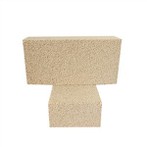
One of the best options for furnace lining material is zircon corundum refractory bricks. Zircon corundum combines the excellent properties of zirconia, including high melting point, thermal stability, and chemical resistance, with the exceptional mechanical strength, abrasion resistance, and thermal shock resistance of corundum. Here are some reasons why using it can maximize furnace efficiency:
1. High Thermal Stability: Furnaces operate under extremely high temperatures, and as such, require refractory materials that can withstand such conditions without cracking or crumbling. Zircon corundum has high thermal stability, with a melting point above 2700°C, making it an ideal material for furnace linings that operate at high temperatures.

2. Excellent Mechanical Strength: They have excellent mechanical strength and can withstand thermal stress and cyclic loading. This property ensures that they do not crack or break under the pressure of thermal expansion and contraction, leading to longer service life and reduced downtime for repairs.
3. Superior Corrosion Resistance: Many industrial processes involve exposure to acidic or alkaline environments that can corrode furnace lining materials. Zircon corundum refractory bricks possess superior corrosion resistance to acids, alkalies, and other chemicals commonly found in industrial processes. This durability means less frequent replacements, reduced maintenance costs, and more extended periods of uninterrupted operation.
4. Low Thermal Conductivity: They have low thermal conductivity, which means they effectively insulate the furnace walls against excessive heat loss. This property reduces energy consumption, leading to lower operating costs and improved energy efficiency.
5. Reduced Emissions: The use of these in furnace linings can lead to reduced emissions of pollutants such as CO2, SOx, and NOx. This benefit is due to the improved thermal insulation provided by the bricks, which leads to less energy consumption and lower fuel consumption levels.
6. Improved Product Quality: Furnace operations can affect product quality, especially when it comes to metallurgical processes that require strict temperature controls. The use of these can help achieve consistent temperatures and minimize variations, resulting in higher-quality products.
7. Easy Installation and Maintenance: Zircon corundum refractory bricks are easy to install and maintain, with minimal effort required to replace worn-out or damaged bricks. This ease of installation and maintenance translates to shorter downtime periods and faster equipment repairs, improving overall efficiency.
The use of zircon corundum refractory bricks in furnace lining materials can maximize furnace efficiency, reduce operating costs, improve product quality, and address environmental concerns.
They offer superior thermal stability, excellent mechanical strength, corrosion resistance, low thermal conductivity, and reduced emissions, among other benefits. Their durability and long service life make them a cost-effective investment for industrial applications that require high-temperature environments.