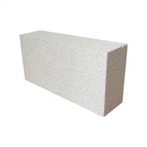
Analysis of the chemical composition of refractory bricks is a method of applying chemical and physical principles to determine the chemical composition of refractory bricks. Divided into qualitative analysis (identifying the composition of refractory bricks) and quantitative analysis (determining the content of the composition). The chemical composition analysis of refractory bricks includes chemical wet analysis and instrumental analysis.
Refractory brick is a mineral composition, and the nature of the brick is a comprehensive reflection of its constituent minerals and microstructure. On this point, refer to the chemical mineral composition of refractory materials in detail. Therefore, when analyzing the influence of the composition of refractory bricks on its properties, it is not comprehensive enough to analyze and investigate the problem from the chemical composition alone, and the chemical mineral composition should be further observed.
Refractory brick chemical wet analysis (analysis based on chemical reaction) includes weight analysis and volume analysis; instrument analysis includes optical analysis and electrochemical analysis. The instrumental analysis used for refractory bricks mainly includes fluorescence X-ray spectroscopy, atomic absorption spectroscopy, flame photometric analysis, colorimetric analysis and so on. The result of the analysis of the chemical composition of the refractory brick is to judge whether the chemical composition of the refractory brick meets the requirements of the refractory brick standard. It is also the main basis for the quality standard of the refractory brick in the production process. There are 60 countries in China for the analysis of the chemical composition of the refractory brick. Standards and industry standards.
Under the condition of fixed chemical composition of refractory bricks, due to the uniformity of the composition distribution and the difference in processing technology, the types, quantities, grain sizes, and bonding states of the minerals in the brick composition are different. This difference in microstructure causes The performance difference of bricks. For example, for siliceous bricks with the same SiO2 content, because SiO2 can form two minerals with different structures and properties under different process conditions-tridymite and cristobalite, some properties of the bricks will be different. Even if the mineral composition of the refractory brick is constant, the different crystal grain size, shape and distribution of the mineral phase will also have a significant impact on the properties of the brick.
There are various types of refractory bricks, and their mineral composition is generally divided into two major categories: main crystal phase and matrix phase. The main crystalline phase refers to the component that constitutes the main body of the refractory brick structure and has a higher melting point. The main components in refractory bricks vary according to the components of the balance system and their relative content. The crystal phase, quantity and bonding state of the main components directly determine the properties of the brick.
The main component in refractory bricks refers to the most important chemical components that play a decisive role in the high-temperature properties of the material. The reason why refractory products have excellent resistance to high temperature, and many refractory materials have their own characteristics, completely or basically depends on the main component. Therefore, full attention must be paid to the main components of refractory materials. Generally, the classification of refractory materials according to their chemical composition and the classification of many refractory materials of the same material into several grades are or mostly based on the types of their main components and their content. The main components of refractory bricks are all simple substances or compounds with high crystal lattice energy and high melting point or high decomposition temperature. It is required that it can form stable minerals with excellent properties during the production or service of refractory bricks, which have relatively high reserves in nature and are easier to extract and utilize.