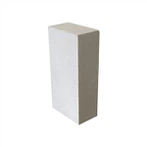
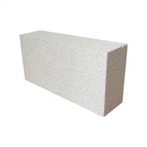
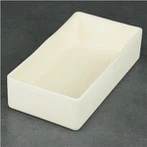
Refractory bricks are used as materials for furnace linings and components used at high temperatures. In addition to withstanding the effects of high temperatures, refractory bricks also have to resist the rapid changes in temperature. Thermal shock damage is one of the two major causes of brick damage. Therefore, the thermal shock resistance of bricks is an important property. There are three steps to determine the thermal shock damage of refractory bricks.
1. First of all, create a thermal shock environment, so that the refractory brick samples can withstand rapid temperature changes, such as rapid cooling and heating.
2. A common method in actual work is to repeatedly experience a heating-cooling cycle of a refractory material sample.
3. For example, after keeping the sample at a certain temperature, put it in cold water or other cold medium or flowing air to quench it, and observe the damage of the sample after repeated several times.
Due to the occurrence of thermal shock damage of refractory bricks, thermal shock resistance has become an important property of him. Therefore, in scientific research and product quality inspection, people often use different methods to determine the thermal shock resistance of bricks. The ability of refractory bricks to resist sudden changes in temperature without being damaged is called thermal shock resistance or thermal shock stability of the brick, or thermal stability for short.