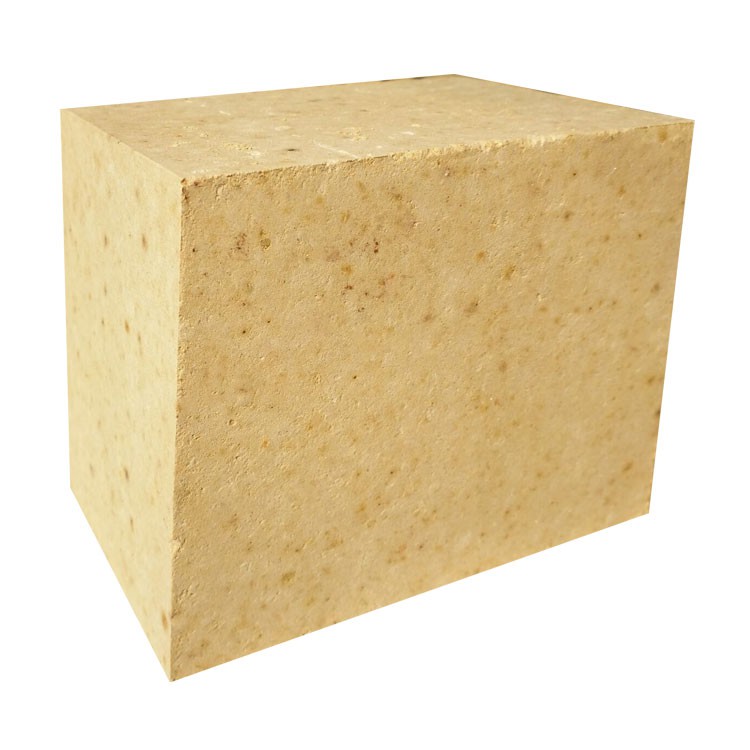
To extend the service life of refractory bricks, there are several key aspects to pay attention to:
1. Avoid sudden high temperature changes: Avoid rapidly heating cold refractory bricks to high temperatures or suddenly placing hot refractory bricks in a cooling environment. Such temperature changes may cause the bricks to crack or fall off.
2. Reasonable combustion: If you use refractory bricks as the material of the furnace or furnace wall, ensure that the temperature and atmosphere of the combustion process are stable and meet the design requirements. Avoid excessive temperatures and harsh burning conditions that can damage refractory bricks.
3. Regular cleaning and maintenance: Regularly clean dust, carbon deposits and other debris on the furnace or furnace wall to avoid corrosion and damage to the refractory bricks. In addition, it is necessary to inspect and repair any broken bricks.
4. Choose appropriate refractory bricks: Choose the correct refractory brick material according to the specific use environment and conditions. Refractory bricks can be classified based on characteristics such as temperature, chemical composition, etc., ensuring that the right brick is selected for a specific application.
5. Use appropriate insulation materials: Covering the outside of refractory bricks with a layer of insulation material can reduce the heat loss and temperature changes of the bricks, thereby extending the service life of the bricks.
In summary, maintaining a stable temperature and atmosphere, regular cleaning and maintenance, and choosing the right brick materials and insulation materials are all key factors in extending the service life of refractory bricks.