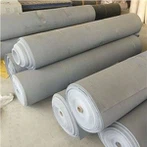
Aluminum silicate fiberboard, a versatile material composed of refractory aluminum silicate fibers, plays a crucial role in enhancing the efficiency and safety of industrial furnaces. Its unique properties make it an indispensable component in various furnace applications.
Here are the key functions of aluminum silicate fiberboard in industrial furnaces:
1. Thermal Insulation
Reduced Heat Loss: The low thermal conductivity of aluminum silicate fiberboard significantly reduces heat loss from the furnace, improving energy efficiency.
Temperature Maintenance: It helps maintain high temperatures within the furnace, optimizing the heating process.
Energy Cost Reduction: Minimizing heat loss, contributes to lower energy consumption and reduced operational costs.
2. Fire Protection
Fire Resistance: Aluminum silicate fiberboard is highly resistant to fire, preventing the spread of flames and protecting the furnace structure.
Heat Shielding: It acts as a heat shield, protecting workers and equipment from radiant heat.
Safety Enhancement: By minimizing fire risks, it contributes to a safer working environment.

3. Structural Support
Load-Bearing Capacity: They can be used to create lightweight, high-strength structures that support furnace components.
Dimensional Stability: It maintains its shape and size at high temperatures, ensuring the structural integrity of the furnace.
4. Sound Absorption
Noise Reduction: It effectively absorbs sound waves, reducing noise pollution in the workplace.
Improved Working Environment: Minimizing noise levels, creates a more comfortable and productive working environment.
5. Corrosion Resistance
Chemical Resistance: Aluminum silicate fiberboard is resistant to many chemicals and corrosive environments, protecting the furnace from damage.
Longevity: This resistance to corrosion extends the lifespan of the furnace.
Specific Applications in Industrial Furnaces:
Furnace Linings:
Provides thermal insulation and fire protection to the furnace walls.
Reduces heat loss and improves energy efficiency.
Protects the furnace structure from high temperatures and corrosive environments.
Doors and Covers:
Insulates and seals doors and covers, preventing heat loss and reducing energy consumption.
Provides fire protection and improves safety.
Heat Shields:
Protects workers and equipment from radiant heat.
Reduces the risk of burns and injuries.
Expansion Joints:
Accommodates thermal expansion and contraction of the furnace structure, preventing damage.
Provides thermal insulation and fire protection.
By understanding these functions, it is clear that aluminum silicate fiberboard is a critical component in industrial furnaces. Its ability to provide thermal insulation, fire protection, structural support, sound absorption, and corrosion resistance contributes to the overall efficiency, safety, and longevity of these essential industrial assets.